Tuesday, September 14, 2010
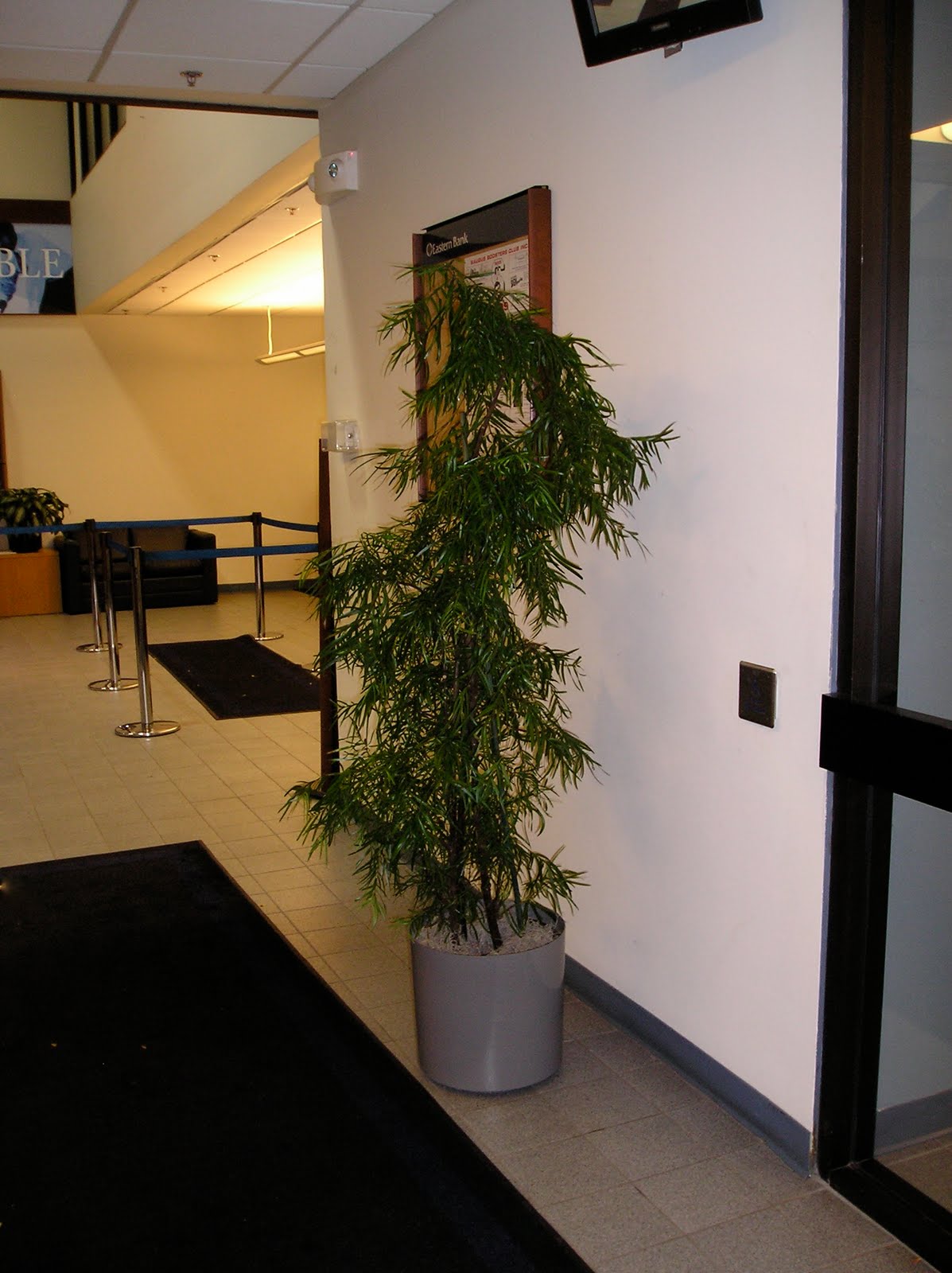
Why use Pteris ferns in your interior office plant design?
Friday, September 10, 2010
Why is Plantscape Designs Inc. a "Nice Little Company"?
1. PDI loves our office plantcare work.
2. PDI does weekly visits to your office.
3. PDI does not use insecticides, we use safe biological controls.
4. PDI has monthly educational plant clinic meetings for its technicians.
5. PDI fertilizes on a monthly basis.
6. Rapid 24 hour replacement of green tropical plants.
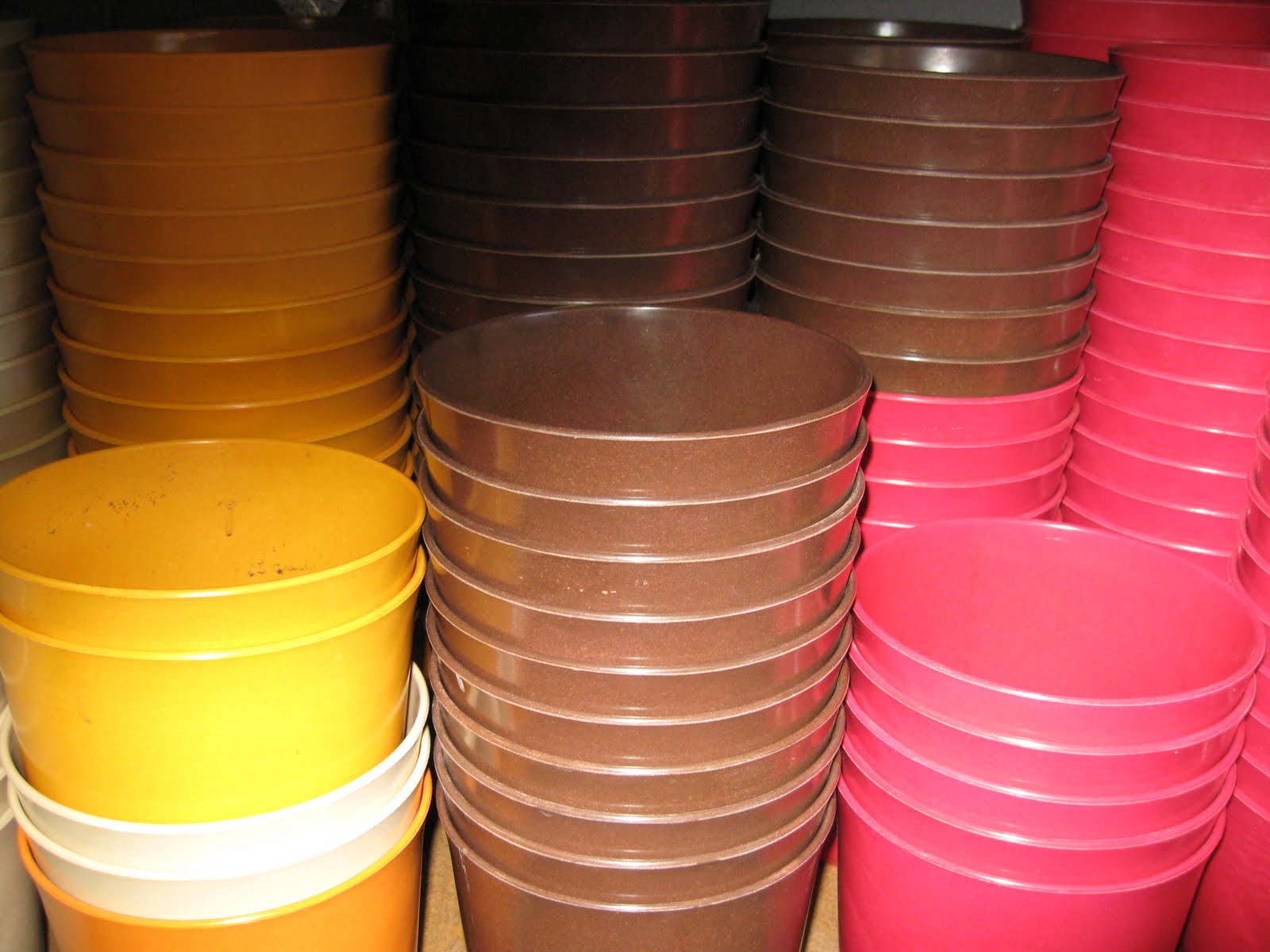
7. PDI uses recycled polyresin containers.
8. PDI management and staff are sensitive to your plantcare needs Boston, Ma.
Thursday, September 9, 2010
Why group your indoor office plants?

The advantages of grouping your indoor office plants is as follows:
Monday, September 6, 2010
Corporate Plant Designs in Boston, MA by PDI Plants
Corporate interior plant designs should have a distinct minilmalistic look.
Tuesday, August 17, 2010
Where Should Interior Plant Care Designers Use Colorful Plants?
Colorful stromanthe plants have just been stocked, ready to be delivered to your Boston cityscaped high light planter boxes in your office. These colorful leaves add depth and texture to your office windows. PDIPlants uses these colorful botanicals in many of the Boston, Ma office interiorscapes.
Monday, August 16, 2010
Why PDI uses Dyna-Gro fertilizer 7-9-5 in your indoor office plants.
Plantscape Designs Inc. applies Dyna- Gro fertilizer 7-9-5 to all our indoor green office plants this time of year for the following reasons:
Friday, August 13, 2010
Why clean and steilize your scissors after trimming your indoor office plants?

Any one trimming their indoor office plants must always clean and sterilize with alcohol their scissors.
What are fungus gnats?

Thursday, August 5, 2010
Philodendron - A Versatile Plant For Your Office
Philodendron oxycardium, heart leaved Philodendron, has been a staple in the foliage plant industry with unlimited uses. It works beautifully to enhance your office space as a hanging plant, desk plant or a floor plant when trained on a support. Some of the creative uses are when it is used in dish gardens, terrariums or groundcover in large architectural planters.
This Philodendron also has an interesting past. First collected in the West Indies in 1793 by Captain William Bligh, yes, the Captain Bligh of Mutiny on the Bounty, and returned to England where it has graced homes and offices around the world since. We currently use these in many of our Cambridge Ma. office locations.
Tuesday, August 3, 2010
Why use opuntia cacti in your office plantscapes?
Indoors, Opuntia cactus can be grown in pots but they generally don't grow to more than a few feet tall. They do best in full sunlight with very little water. No cacti likes to be over watered and they will rot if they remain in saturated soil. Water sparingly and improve soil drainage in areas that receive a lot of rain. My cactus lets me know when it needs water with thin pads and droopy tips. One year we got over 20 inches of rain and the pads swelled up with so much moisture they broke off under their own weight.
How Plantscape Designs Inc. uses cork screw ficus in office interiors.
PDI uses cork screw ficus trees in office interior lobbies as well as office cafes.
Wednesday, July 21, 2010
PDI unlimited plant care
Plantscape Designs Inc. is the interior plant care industry's standard-bearer. This unlimited plant care company has the broadest product portfolio and offers office work place customers the closest thing to a one-stop shopping.
Monday, July 19, 2010
Why use Hawiian Michiko Canes and not Florida cane in your indoor office environments?

Dracaena michiko is one of the world’s most sought-after dracaena hybrids. This fabulous plant is importer from Hawaii and is commonly known as Michiko cane because of its cane-like structure caused by its upright growth habit. The leaves of this plant are held tighter to its trunks. This makes the plant a perfect plant to be put in narrow or tight areas or rooms with limited available space.
Compared to Dracaena Michiko plants grown in Florida, Dracaena Michiko Hawaii have greater life expectancy because of their well-developed root systems. The large size plus a full-grown look would surely mean lower expenses to be spent on pots or decorative containers. In addition, most Dracaena Michiko plants grown from Hawaii are tall and upright or columnar thereby making them excellent choices for places with limited space or area. These reasons and more explain why Hawaii-grown Dracaena Michiko plants are more expensive than those grown in Florida.
At Plantscape designs Inc. the Michiko canes are currently being used in our downtown Boston, Ma. officescapes.
Thursday, July 8, 2010
How can scale insects hurt your interior office plants?


Scale insects can hurt your interior office plants by sucking their life juices out of them.
Tuesday, July 6, 2010
Tillandsia plant care by Rain Forest Flora Inc.

Thursday, July 1, 2010
Plantscape Designs Inc does rent office plants for the Boston, MA area.
Plantscape Designs Inc. has been leasing and renting indoor office plants for over 35 years in the Boston, MA business community area.
Wednesday, June 30, 2010
Why use bamboo fiber pots in your Boston cityscapes?
Bamboo is one of the most rapidly growing plants on earth. It is a grass, not a wood, making it a non timber, non-fossil fuel resource. And while hardwood forests can take 20-25 years to mature, bamboo forests mature 4-6 years after being harvested. This is why the U.S.Green Building Council has designated bamboo as a rapidly renewable material.
How do you care for your interior orchid corporate arrangements?
Monday, June 21, 2010
Why cut off the reproductive organs on your interior office bamboo palm?
You should always cut off the reproductive structures from your indoor office bamboos because they will grow better.
Tuesday, June 15, 2010
Recession package from Plantscape Designs Inc.
Plan Two:
2. 4 (5 - 6 ft. tall) plants/trees in our comtemporary powdered steel-finish containers for $99 per month.
Plan Three:
3. 5 plants (two table, three (3-4 ft tall) floor) plants and one orchid for the reception area in our comtemporary powdered steel-finish containers for $99 per month.
Monday, June 14, 2010
Symptoms of mineral deficiencies in your indoor green office plants.
- Nitrogen - Lack of growth or limited growth with chlorosis (yellowing) or loss of leaves in severe cases. Purplish coloration due to accumulation of anthocyanin pigments. Entire plant affected, older leaves most.
- Phosphorus - Dark green, stunted plants. Accumulation of anthocyanin pigments. Delayed maturity. Entire plant affected, older leaves most.
- Potassium - Mottled chlorosis, necrosis (spots of dead tissue, especially at tips and margins, between veins). Older leaves most affected. Weak stalks, roots more susceptible to disease.
- Sulfur - Chlorosis of young leaves, usually no necrosis. Veins remain green, tissue between light green.
- Magnesium - Mottled or chlorotic leaves, may redden. Leaf tips turned upward. Older leaves most affected.
- Calcium - Inhibition of root development and death of shoot and root tips. Young leaves most affected.
- Iron - Intervienal chlorosis of young leaves, stems short and slender. Buds remain alive.
- Chlorine - Wilted leaves, chlorosis, necrosis. Stunted, thickened roots or club-shaped roots near tips.
- Manganese - Chlorosis of youg leaves, necrosis between veins; smallest veins remain green. Disorganization of lamellar membrane.
- Boron - Death of stem and root apical meristems. Leaves twisted, pale at bases. Swollen, discolored root tips. Young tissues most affected.
- Zinc - Reduction in leaf size and length of internodes. Distorted leaf margins. Chlorosis. Older leaves most affected.
- Copper - Young leaves dark green, twisted, wilted, misshapen; tip remains alive.
- Molybdenum - Chlorosis or twisting and death of young leaves.
Monday, June 7, 2010
PDI Botany news , smallest living orchid just discovered.

Wednesday, June 2, 2010
Why use tiny Tillandsias with your corporate office orchid arrangements?
We, at Plantscape Designs Inc., use tiny Tillandsias attached to our monthly corporate orchid programs for a more colorful and natural look.
Sunday, May 30, 2010
Why PDI uses new interiorscape designs in our restaurant planters?
New interiorscape design ideas from our PDI design staff.
Tuesday, May 18, 2010
Why use fiddle leaf ficus as one of your indoor office plants?

Why use fiddle leaf ficus trees in your office work place?
Friday, May 14, 2010
How to redesign your corporate planter.
Tuesday, May 11, 2010
Coffee grounds can help your indoor office plants.
Coffee grounds have long been used as fertilizer for plants. They can be added to existing or new garden beds. The grounds will run off and keep out ants, garden snails and slugs from your gardening beds.
How grounds benefit plants
Coffee grounds provide plants with many of essential nutrients including magnesium, calcium and nitrogen. Theses nutrients are very beneficial to plants and are often found in fertilizers. The grounds can add a significant amount of acidity to the soil. Blueberries, roses, and gardenias are a few plants known to love acidic soil. Using coffee grounds for other plants may prove to be harmful. Before adding the grounds to any plant research it and learn if acidic soil is preferred.
Other benefits included making the soil easier to till, which is good news if you're no longer a teenager with a strong back. Worms eat coffee grounds and are quite beneficial to have in your garden. The worms spread the nutrients as they travel through the dirt. This aerates the soil, which means more oxygen is provided to the roots. The more oxygen that reaches a plants root the better its health and growth.
How to use
There are different ways of putting the grounds to work in your garden. For example, they may be sprinkled around the base of existing plants. With this method the plant receives a small dose of nitrogen each time it is watered. Piles of coffee grounds can be harmful to the plant, depriving it of oxygen as the grounds clump together.
You may also use them by digging them into the ground around plants. Avoid going deeper than one inch, mixing the soil and coffee carefully than watering the plant.
If you are preparing new beds for planting, use the grounds by tilling them well into the soil. Before planting, water the soil thoroughly, so the nutrients are properly released into the soil.
Plantscape designs Inc. is currentlly using the coffee grounds in our clients office plants as a greenplant solution to the above problems presented to us in your office design locations. |
Friday, May 7, 2010
How can Plantscape Designs Inc. add botanical value to your interior office plant design?
PDIPlants can add value to your interior plant office design by showing you our true worth which is determined by how much more we can give you in service and green plant design than we take in payment.
Thursday, May 6, 2010
How can you use succulent foliage plants as office plant solutions

Succulent foliage has a different texture then your common softer tropical plant foliage.
What is a minimalistic look for your office plant interiors?

What is a new minimalistic office plant design for your office workplace?
Wednesday, May 5, 2010
Diffussion through small pores in your office plants leaves.
The movement of water vapor passing through your office plant leaves is called transpiration. This flow of water vapor goes threw the leafs' small pores, called stomates.
Why go vertical with your interior officescapes?

Monday, May 3, 2010
Weekly potted flowers are economical office plant solutions.
Various and colorful weekly potted flowers are both interesting and economical office plant solutions for your reception desks.
Friday, April 30, 2010
How do your indoor office plants grow?
Our plantscapes of N.E. clients within the sourounding Boston, MA and Rte 128 area are incubators for green plant growth.
Plantscape Designs Inc. uses "Bio Pots"For our monthly orchid programs.

Why does Plantscape Designs Inc. use "Bio Pots" with its monthly orchid programs?
Tuesday, April 27, 2010
Why use terra cotta or plastic grow pots in Woburn ,MA?
Why use terra cotta or plastic grow pots with your indoor office plants?
Friday, April 23, 2010
Why use Starbucks coffee grounds in your indoor office plants soil?
Many consumers are unaware of the fact that by-products from the kitchen make excellent additions to compost,” said Ginny Black, communications chairperson of the United States Composting Council. “Coffee grounds are rich in nutrients and beneficial for any backyard compost effort. The U.S. Composting council applauds Starbucks for their environmentally responsible donation and encourages consumers to take advantage of this generous opportunity.”
To begin composting at home, Black recommends gardeners fill a wooden or plastic bin with a mixture of leaves and other yard trimmings and then mix in coffee grounds and kitchen scraps (no animal products). To help the pile decompose faster, it is important to make sure that the materials are moist (like a wrung-out sponge) but not soggy. Aerating the pile by mixing and turning also encourages the composting process. Compost is ready for the garden when it has fully decomposed into a dark rich soil-like material. A half-inch to an inch of compost on top of the soil feeds plants, prevents plant diseases, suppresses weeds and conserves water.
The proper amount of coffee grounds to be used depends on soil condition and what is being grown in a garden. Contact a local gardening expert to learn what is best for your region. Or call us at PDI for indoor office plant soil testing.
Thursday, April 22, 2010
Gas exchange between your indoor plant's leafs and your office environment.
The leaf , exposed to the open air, exchanges not only gases with this air but also heat by molecular collisions on its surface.
Wednesday, April 21, 2010
Why go vertical with your indoor office plants and containers?
Spring is here!
Spring is here! Your N.E. interior officescapes can now have spring flowers early right through the winter. PDI interior landscapers in the Boston area have dozens of species and colors of those flowering plants for your reception desk now. Delivery is always included as well as a designer container framing your bright and festive live flowering accents . Call us for your weekly, bi-monthly or monthly flowering programs needed in your receptions and conference room. Add some color add some life! Yes we do office plant care service in the Boston MA area.
Sunday, April 18, 2010
What is the difference between Hardi cacti and tropical cacti?

Are your indoor office plants hardi cacti or tropical cacti?
Friday, April 16, 2010
Why use Crassulas in your N.E.plantscapes Andover, MA?

What are Crassulas? Crassulas are succulents. There are numerous species and cultivars of Crassulas. The two main forms are jadelike and stacked. Crassulas are semi arid plants , not cacti but close to it.
Wednesday, April 14, 2010
Why use river rocks in your interior landscape designs?
Why use river rocks in your interior landscape designs, because river rocks give your indoor office plants a more contemporary finished look. Gray dried spanish moss or wood chips gives your office foliage a natural softer look design .
Tuesday, April 13, 2010
why use orthigalums in your interior office work place?
What are orthigalums (star of bethlehems)?
Ornithogalum thyrsoides is native to South Africa and the Ornithogalum umbellatum is native to the Mediterranean, and all varieties are available all year round. They belong to the Liliaceae (lily) family and grow from bulbs. PDI uses these flowers in our weekly flower programs in our N.E plantscapes.
Saturday, April 3, 2010
Speaking of Light and your indoor office plants.

As the days grow longer and your interior office plants produce new growth, they can become unruly and miss shaped. This is the perfect time for Plantscape Designs of N.E. to prune and shape your plants. In the spring giving them a heavy pruning, they have a summer of long days to recover and push out lots of new foliage. This will make your plants more shapely and beautiful. Many of our clients' ficus trees are perfect candidates for such pruning and shaping in the Cambridge - Boston areas. This is just another green plant solution by PDIPlants Boston.
Thursday, April 1, 2010
It's Not Always About Flowers With Interior Office Plant Design

When we think of adding a colorful accent to our indoor office plants we often think about cut flowers or a flowering potted plant. Actually there is another option. Tropical foliage plants that have beautiful colored leaves. If your office has the right conditions, bright light and warm temperature, there is an unlimited selection of plants that have colorful foliage and variegated leaves. Crotons, Cordyline, Rex begonias, Stromanthe are just a few that can brighten your office with some color. We use many of these on locations in the Boston metro area. Colored leafy botanicals have unlimited plant possiblities.