Wednesday, April 22, 2015

Why purchase Plantscape Designs Inc bimonthly Flowering Program for Edgewater Office Park Wakefield, MA

Wakefield, MA interior offcie plants
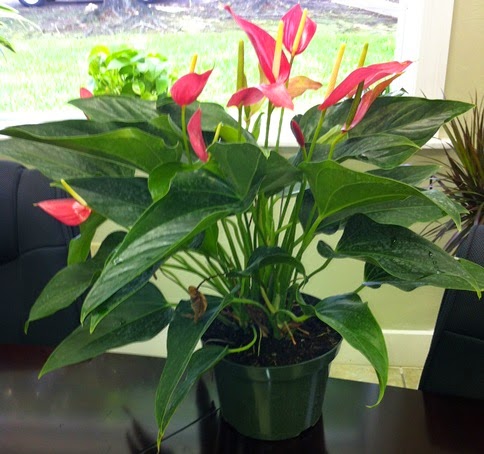
Anthurium

Azaelia

interior office plant service wakeful, MA
Bromeliad

Mum

Freseia

edgewater office park interior indoor plants
Gloxinia

interior office plant service
Hydranea

Kalanchoe

Spath flower
Adding color to your front entrance lobby always puts a smile on your staff and clients' faces.

Living potted flowering planters are much less expensive than fresh cut flowers.These potted flowers cost less and last longer then fresh cut flowers.

PDI has dozens of varieties of blooming flowers that fit the seasons appropriately. Pinks purples and yellows for spring time. Summer explodes with hot oranges yellows and Reds. Browns oranges yellows lime greens fill your offices with Autumn. Finally, deep reds, cold whites and greens celebrate winter.

Plantscape Designs Services the following office parks and the offices within them:


Regency Park Westford, MA
Quorum Office Park Chelmsford, MA
Apollo Drive Chelmsford, MA
Forest Ridge Office Park Billerica, MA
Northwest Office Park Burlington, MA
Cranberry Hill Office Park Lexington, MA
Ledgemont Research Park Lexington, MA
Wellesley Office Park Wellesley, MA
The Arsenal On The Charles Watertown, MA


Friday, March 13, 2015

Spring is Here! Tropical plants fresh from our Florida and Hawaii growers to our Stoneham, Ma warehouse.

Spring is here at Plantscape Designs Inc. Our PDI Stoneham, MA warehouse is chuck full of tropical indoor green plants. The assortment of colors, heights and varieties of our interior green plants is overwelming!

We purchase the above green plants direct from Florida and Hawaii for two reasons. Frist, freshness of our green plants is a major priority for you our corporate clients. Second, pricing is at its lowest for your corporate budget restrictions.

Plantscape Designs Inc of Stoneham, MA receives weekly fresh tropical green plants for all our customers no matter where you're located, in Wakefield, Reading, Wilmington, Tewksbury, Billerica, Andover, Westford or the Borrows, PDI is there to service you!

Areas of interior plant service in Massachusetts:
  • Boston, MA
  • Cambridge, MA
  • Wakefield, MA
  • Woburn, MA
  • Peabody, MA
  • Wilmington, MA
  • Tewsbury, MA
  • Methuen, MA
  • Needham, MA
  • Andover, MA
  • Dedham, MA 

  • Andover, MA
  • Westboro, MA
  • Acton, MA
  • Westford, MA
  • Chelmsford, MA
  • Billerica, MA
  • Burlington,MA
  • Bedford, MA
  • Lexington, MA
  • Wellesly, MA
  • Watertown, MA
  • Lynnfield, MA
  • Danvers, MA
  • Saugus, MA
  • Beverly, MA
  • Salem, MA
  • Reading, MA
  • North Reading, MA
  • Marlboro, MA
  • Southboro, MA
  • Northboro, MA
  • Stoneham, MA

Tuesday, March 10, 2015

Contemporary Plants and Containers to match your Contemporary Office Furniture Wilmington, MA.


Plantscape Designs Inc. enhances your modern or contemporary office furniture with our complimentary plant types and container styles.
The  rectangular Earth Wall made by Architectural Supplements in a white finish compliments the modern office decor and directs our attention to the art work.

The phalaenopsis orchid in clear glass contemporary cylinder repeats the clear glass coffee table. The white Rondo contemporary vertical planter to the left adds to the modern look of the blue geometrically designed waiting room chairs.
Plantscape Designs Inc can design your office with both plants and containers to reflect your style early on in your construction of your office workplace or after an office renovation. Many locations in   Billerica, Andover, Tewksbury, Wilmington and 
Wakefield MA. have used PDI plant services.
  • Boston, MA
  • Cambridge, MA
  • Wakefield, MA
  • Woburn, MA
  • Peabody, MA
  • Wilmington, MA
  • Tewsbury, MA
  • Methuen, MA
  • Needham, MA
  • Andover, MA
  • Dedham, MA 

  • Andover, MA
  • Westboro, MA
  • Acton, MA
  • Westford, MA
  • Chelmsford, MA
  • Billerica, MA
  • Burlington,MA
  • Bedford, MA
  • Lexington, MA
  • Wellesly, MA
  • Watertown, MA
  • Lynnfield, MA
  • Danvers, MA
  • Saugus, MA
  • Beverly, MA
  • Salem, MA
  • Reading, MA
  • North Reading, MA
  • Marlboro, MA
  • Southboro, MA
  • Northboro, MA
  • Stoneham, MA

Friday, March 6, 2015

Designing with Bird Nest Ferns in our PDI indoor Zen Garden planting Wakefield, MA.

Bird's nest ferns are actually one of two asplenium species found in cultivation. The other, often called the spleenwort or mother fern (A. bulbiferum) is much harder to grow and looks nothing like its cousin. These ferns are naturally epiphytic, and in their rainforest homes, can be found growing high in the crooks of trees. They grow in a series of erect, spoon-shaped and apple-colored fronds that rise from a central rosette. Healthy plants can have fronds up to three feet, but this is rare in most indoor situations. These are beautiful plants, but will require a bit of babying to reach their fullest potential.


Growing Conditions:

1. Light: Filtered light to light shade. Don't expose to direct sun, other than very early morning sun.
2. Water: These are true jungle plants—keep their compost moist and provide the highest humidity possible.
3. Temperature: They will begin to suffer below about 55ºF for prolonged periods. Best kept between 70ºF and 80ºF, with high humidity. A warming pad will often help dormant plants.
4. Soil: Loose, rich organic compost.
5. Fertilizer: During growing season, fertilizer weekly or biweekly with weak liquid fertilizer. Don't put fertilizer pellets in the central cup.

6. Propagation:

These are not easy to propagate and cannot be divided, as with some other fern species. They are usually raised from spore or tissue culture, meaning propagation is usually beyond the reach of most home growers.

7. Repotting:

Bird's nest ferns prefer to be slightly underpotted. As naturally epiphytic plants, they are used to growing in a minimum of organic material, and mature plants will elongate above the soil level as the fern grows and sheds lower leaves. The problem, of course, is that large ferns will easily tip over their smaller pots. When repotting every other year, use the next pot size up and refresh the compost.

8. Grower's Tips:

Bird's nest ferns are beautiful, and many conservatories and greenhouses boast impressively large specimens. They are a natural with orchids, bromeliads and other rainforest plants. The key to a healthy bird's nest fern is providing enough warmth and moisture. Given these two conditions, the ferns can withstand higher light levels. A shower ledge by a window is a good place for a healthy bird's nest fern.
At Plantscape Designs Inc. we group Bird nest fern in your topsiders giving your cubicle areas a refreshing jungle effect in Wakefield, MA. Other towns and citiies we provide service:
  • Boston, MA
  • Cambridge, MA
  • Wakefield, MA
  • Woburn, MA
  • Peabody, MA
  • Wilmington, MA
  • Tewsbury, MA
  • Methuen, MA
  • Needham, MA
  • Andover, MA
  • Dedham, MA 

  • Andover, MA
  • Westboro, MA
  • Acton, MA
  • Westford, MA
  • Chelmsford, MA
  • Billerica, MA
  • Burlington,MA
  • Bedford, MA
  • Lexington, MA
  • Wellesly, MA
  • Watertown, MA
  • Lynnfield, MA
  • Danvers, MA
  • Saugus, MA
  • Beverly, MA
  • Salem, MA
  • Reading, MA
  • North Reading, MA
  • Marlboro, MA
  • Southboro, MA
  • Northboro, MA
  • Stoneham, MA

Monday, February 16, 2015

Cold damage interior green plants Boston, Ma


At Plantscape Designs Inc. cold damaged plants in lobbies or near open doors and windows are not guaranteed by our company.

The reason being is that the clients carelessness cannot be covered by our insurance policy.

The lower tier of plants in this planter above is cold damaged because an open door left ajar for hours due to new tenant move in last winter.

Plantscape Designs Inc covers the life of your plants only when we care for them and only when the interior tropical planter is within a warm well lighted area Boston, MA.

Saturday, January 24, 2015

What are tiny tillandsias? Why use them in your indoor corporate offices Waltham, MA


1. Tillandsias are: epiphytes and need no soil because water and nutrients are absorbed through the leaves. 

2.The roots are used as anchors only. Reproduction is by seeds or by offsets called "pups". A single plant could have up to a dozen pups.


3. Indoor arrangement of six Tillandsiaplants mounted on a log section.


4. Although not normally cultivated for their flowers, some Tillandsia will bloom on a regular basis. In addition, it is quite common for some species to take on a different leaf colour (usually changing from green to red) when about to flower. This is an indication that the plant is monocarpic (flowers once before dying) but offsets around the flowering plant will continue to thrive.

5. Temperature is not critical, the range being from 32°C down to 10°C. They are sensitive to frost, except for the hardiest species, T. usneoides, which can tolerate night-time frosts down to about -10°C.

6. Tillandsia is a primary ingredient in an herbal supplement to treat pollen allergies.

7. The plant genus Tillandsia, a member of the Bromeliad family (Bromeliaceae), is found in thedeserts, forests and mountains of Central and South America, and Mexico and the southernUnited States in North America.


8. The thinner-leafed varieties grow in rainy areas and the thick-leafed varieties in areas more subject to drought. Moisture and nutrients are gathered from the air (dust, decaying leaves and insect matter) through structures on the leaves called trichomes.


9. Tillandsia species are epiphytes (also called aerophytes or air plants) – ie they normally grow without soil while attached to other plants). Epiphytes are not parasitic, depending on the host only for support.


10.The genus Tillandsia was named by Carolus Linnaeus after the Swedish physician and botanist Dr. Elias Tillandz (originally Tillander) (1640-1693).


Plantscape Designs Inc. currently uses these tiny bromeliads to enhance the monthly orchid gardens that we create and deliver for our hundreds of corporate interiorscape clients in Waltham, MA

Sunday, January 11, 2015

Unsightly interior plants in your office workplace , Burlington, MA

1. Unsightly interior plants in your office work place, such as the above, can make your interiorscape appear unsuccessful looking. Corporate offices need to be tidy, clean, utilitarian and a pleasant environment for your employees as well as for clients that may visit your office. The above photo was taken of plants cared for by the employees of that company. PDI took charge of this clients plants and replaced them with new ones and with guaranteed weekly maintenance.

2. A future clients' first impressions of your corporate company's successful and profitable image is one of the most important selling points of any business.

3. The above unkempt green plants photo has a messy and uncaring image for any new potential customer walking in your office or retail store. You need a caring and competent interior plant service such Plantscape Designs Inc. to solve your botanical problems and keep your office attractive, clean, healthy and welcoming.

4. Plantscape Designs Inc. has taken many of these situations, as illustrated above, and provided weekly attentive care of your office plants, enhancing your interior office work place. Remember green plants also help keep the air quality of your office pollution free.

Wednesday, November 19, 2014

Using Robellini palms in your office interiorscapes Waltham, MA


Some fun facts about Robellini Palms before you attempt to use them in your Waltham plant interior landscape.

They are a palm and not a Cycad.

1. Height: 4-6 ft. (1.2-1.8 m)

2. Hardiness:
USDA Zone 9a: to -6.6 °C (20 °F)
USDA Zone 9b: to -3.8 °C (25 °F)
USDA Zone 10a: to -1.1 °C (30 °F)
USDA Zone 10b: to 1.7 °C (35 °F)
USDA Zone 11: above 4.5 °C (40 °F)

3. Sun Exposure:Sun to Partial Shade

4. Danger: Plant has spines or sharp edges; use extreme caution when handling

4. Bloom Color: Cream/Tan

5. Bloom Time: Mid Spring

6. Foliage:Grown for foliage, Evergreen

7. Other details: Average Water Needs; Water regularly; do not overwater

8. Soil pH requirements: 6.1 to 6.5 (mildly acidic)

9. Propagation Methods: From seed; germinate in vitro in gelatin, agar or other medium

10. Pests: spider mites are a real problem with your indoor use of this Waltham, MA office plant. Spraying and wiping with canola oil and a clean cloth that must be washed later, can keep your Phoenix robellini healthy and flourishing. Visit our PDIPLANTSBlog.com for more info.


Above is example of an underwatered Phoenix Robellini.

At Plantscape Designs Inc. we always inspect for spider mites on our indoor office plants. PDI never applies insecticides to your indoor office plants. We always use safe biological predators or parasites.


Plantscape Designs Inc of Stoneham, MA services the following area cities and towns in Massachusetts:


    • Boston, MA
    • Cambridge, MA
    • Wakefield, MA
    • Woburn, MA
    • Peabody, MA
    • Wilmington, MA
    • Tewksbury, MA
    • Methuen, MA
    • Needham, MA
    • Andover, MA
    • Dedham, MA 

    • Andover, MA
    • Westboro, MA
    • Acton, MA
    • Westford, MA
    • Chelmsford, MA
    • Billerica, MA
    • Burlington,MA
    • Bedford, MA
    • Lexington, MA
    • Wellesley, MA
    • Watertown, MA
    • Lynnfield, MA
    • Danvers, MA
    • Saugus, MA
    • Beverly, MA
    • Salem, MA
    • Reading, MA
    • North Reading, MA
    • Marlboro, MA
    • Southboro, MA
    • Northboro, MA
    • Stoneham, MA

    Tuesday, October 7, 2014

    Designing with Ficus Lyrata within the Boston Design Center office interiors; Boston, MA

    Plantscape Designs Inc. just recently beautified the Boston Design Center office interiors using 32 six foot ficus lyrata trees. These rounded leafed feng shui sculptured interior green plants soften the modern angular square architectural planters throughout the halls of this building.

    Ficus Lyrata are different and unique looking interior plants, adding life to this contemporary office building.

    The topping off of all the planter boxes with black river rock further adds to the feng shui design, softening and contrasting the alternate black and white rectangular floor color structure.

    Plantscape Designs Inc. has complimented this esthetically pleasing work place with our lively interior green plant design; Boston, Ma.

    Wednesday, July 30, 2014

    Designing Your Office Reception with Topiary Open Weave Marginatas Burlington, MA.

    Designing your office reception with sculptured open weave marginatas has a very modern clean appeal.

    Dracena Marginatas are low light and minimal maintenance interior office plants Burlington, MA.

    Using contemporary steel finish Architectural Suppliments' quadro planters finishes the welcoming look greeting your clients and employees each work day.

    PDI Plants encourages our clients to use newly cultivated plants and flowers further enhancing their interior office workplace Burlington, MA.


    Tuesday, July 8, 2014

    How and when to use Neoreglia Bromeliads "Tangerine" in your Burlington, MA interior offices.

    1. Common uses include stand alone tabletop plant, mixed plantings in combo planters, understory plant in interiorscapes or an understory plant in zone 9+ exterior landscapes.Unlike other Neoregelia, our hybrids develop vivid color before the natural bloom cycle giving the consumer extended beauty and value. Six months or more of color "on the job" is not unusual.

    2. Plantscape Designs Inc. Neoregelia are used as colorful alternatives to our monthly bromeliad or flowering programs in your interior office landscapes.

    3. Yes, these bromeliads do flower just like their Aechemea and Guzmania cousins with tiny 1/4 inch blue or white flowers in the center of their colorful leafy brackets.

    4. Neoregelia contains about fifty species and a large number of varieties. Most are from eastern Brazil. Although most neoregelias are terrestrial, some are found on shaded, lower branches of trees. They have been favorites in European collections for over one hundred years.

    PDI designs with these neoreglia bromeliads especially in living walls and earth wall rectangular containers in Burlington, MA


    Tuesday, June 24, 2014

    Yellow Bromeliads are coming for our clients this year, Burlington, MA.


    1. Yellow guzmanias are coming this year for all our clients.

    2.  Bromeliads are related to other epiphytes such as spanish moss, tillanzias and orchids, do not need soil to grow in. These "air plants" just require moisture and minerals from their surrounding atmosphere.

    3. Epiphytes live in tropical rain forests in South America as as well as subtropical areas as our Carolines and Florida ,USA.

    4.You will see our Plantscape Designs' staff misting these plants repeatedly simulating the tropical humid forests in our southern hemisphere. Your Boston interior officescapes as well as with many of your other indoor office plants will be repeatedly misted to keep them healthy. PDI services the Boston, MA. Waltham, MA.Cambridge, MA. office buildings.

    Monday, April 7, 2014

    New Design by PDI Plantscape Designs Inc. columnar cacti with sanservaria , Burlington, MA.

    1. Using contemporary white cubico 36" tall designer container with double columnar cacti outlined with yellow trimmed sanservaria, can stylist minimalists clean and low maintenance look.

    2. This above simple botanical interior office design, offered by Plantscape Designs Inc. is cost effective initially as well as a monthly maintenance program in our Burlington, MA office interior landscape locations. Microscope in Boston, Ma currently employs PDI for both design and weekly maintenance service.

    Wednesday, February 19, 2014

    Pruning back interior corporate lobby Phyllostachys Aurea bamboos Waltham,MA

    1. This bamboo can be difficult to identify as it has varied growth characteristics depending on location. 
    2. In full shade the culms are apt to remain green. 
    3. In partial or full sun the culms slowly turn yellow over the first year or two, then deeper gold and orange as they mature. The best way to identify this species is the compressed internodes that occur on random culms, usually (but not always) at the base. 
    4. These compressed internode growths are called 'tortoise shell'.The leaves tend to grow all the way to the ground on this species, and the type form leaves are green and lack any stripes or streaks. They can grow short, dense and shrubby in poor conditions, or tall and upright. In ideal conditions they can grow to 30 feet tall and 3 inches in diameter. 
    5. They can be rampant runners and grow aggressively if left unchecked in gardens. Golden bamboo is listed as an invasive plant species in several states.
    6. PDI prunes back the leaves as well as the underground runners of these rapidly growing bamboos.

    Plantscape Designs Inc. has maintained this above Waltham,MA interior plant lobby location for over 20 years.

    Other cities and towns Plantscape Designs Inc. service with an unconditional guarantee are as follows:

    • Boston, MA
    • Cambridge, MA
    • Wakefield, MA
    • Woburn, MA
    • Peabody, MA
    • Wilmington, MA
    • Tewsbury, MA
    • Methuen, MA
    • Needham, MA
    • Andover, MA
    • Dedham, MA 

    • Andover, MA
    • Westboro, MA
    • Acton, MA
    • Westford, MA
    • Chelmsford, MA
    • Billerica, MA
    • Burlington,MA
    • Bedford, MA
    • Lexington, MA
    • Wellesly, MA
    • Watertown, MA
    • Lynnfield, MA
    • Danvers, MA
    • Saugus, MA
    • Beverly, MA
    • Salem, MA
    • Reading, MA
    • North Reading, MA
    • Marlboro, MA
    • Southboro, MA
    • Northboro, MA
    • Stoneham, MA

    Wednesday, January 29, 2014

    How Plantscape Designs Inc. uses Bird Nest Fern (Asplenium Nidus) in your interior office plant designs Cambridge MA.


    Bird's nest ferns are actually one of two asplenium species found in cultivation. The other, often called the spleenwort or mother fern (A. bulbiferum) is much harder to grow and looks nothing like its cousin. These ferns are naturally epiphytic, and in their rainforest homes, can be found growing high in the crooks of trees. They grow in a series of erect, spoon-shaped and apple-colored fronds that rise from a central rosette. Healthy plants can have fronds up to three feet, but this is rare in most indoor situations. These are beautiful plants, but will require a bit of babying to reach their fullest potential.

    Growing Conditions:

    1. Light: Filtered light to light shade. Don't expose to direct sun, other than very early morning sun.
    2. Water: These are true jungle plants—keep their compost moist and provide the highest humidity possible.
    3. Temperature: They will begin to suffer below about 55ºF for prolonged periods. Best kept between 70ºF and 80ºF, with high humidity. A warming pad will often help dormant plants.
    4. Soil: Loose, rich organic compost.
    5. Fertilizer: During growing season, fertilizer weekly or biweekly with weak liquid fertilizer. Don't put fertilizer pellets in the central cup.

    6. Propagation:

    These are not easy to propagate and cannot be divided, as with some other fern species. They are usually raised from spore or tissue culture, meaning propagation is usually beyond the reach of most home growers.

    7. Repotting:

    Bird's nest ferns prefer to be slightly underpotted. As naturally epiphytic plants, they are used to growing in a minimum of organic material, and mature plants will elongate above the soil level as the fern grows and sheds lower leaves. The problem, of course, is that large ferns will easily tip over their smaller pots. When repotting every other year, use the next pot size up and refresh the compost.

    8. Grower's Tips:

    Bird's nest ferns are beautiful, and many conservatories and greenhouses boast impressively large specimens. They are a natural with orchids, bromeliads and other rainforest plants. The key to a healthy bird's nest fern is providing enough warmth and moisture. Given these two conditions, the ferns can withstand higher light levels. A shower ledge by a window is a good place for a healthy bird's nest fern.
    At Plantscape Designs Inc. group Bird Nest Fern in your topsiders giving your cubicle areas a refreshing jungle effect in Cambridge, MA

    Other cities and towns Plantscape Designs Inc. service with an unconditional guarantee are as follows:

    • Boston, MA
    • Cambridge, MA
    • Wakefield, MA
    • Woburn, MA
    • Peabody, MA
    • Wilmington, MA
    • Tewsbury, MA
    • Methuen, MA
    • Needham, MA
    • Andover, MA
    • Dedham, MA 

    • Andover, MA
    • Westboro, MA
    • Acton, MA
    • Westford, MA
    • Chelmsford, MA
    • Billerica, MA
    • Burlington,MA
    • Bedford, MA
    • Lexington, MA
    • Wellesly, MA
    • Watertown, MA
    • Lynnfield, MA
    • Danvers, MA
    • Saugus, MA
    • Beverly, MA
    • Salem, MA
    • Reading, MA
    • North Reading, MA
    • Marlboro, MA
    • Southboro, MA
    • Northboro, MA
    • Stoneham, MA

    Thursday, January 23, 2014

    PDI, Plantscape Designs Inc uses mini phaleonopsis orchids in your interior office reception Boston, MA

    Cute as can be mini orchids have captivated orchid fanciers with their tiny blossoms and slender stems. A fraction of the size of their full-grown cousins, mini Phals make a charming addition to any Phalaenopsis orchid collection. 

    Difference between Minis and Full Phalaenopsis 

    Because they require the same growing conditions as full-size plants, mini Phalaenopsis orchids can be successfully grouped and displayed with full-size orchids. They even make a nice addition to the same pot of a larger orchid if there is room. 
    New mini orchid owners will notice that the biggest difference between mini and full-size Phalaenopsis orchids is one of quantity. Because minis are usually sold in smaller pots, sometimes two inches in diameter, they require considerably less of everything: less growing media, less fertilizer and less water. A mini requires only a single ice cube weekly. 

    Mini’s Moss 

    When buying mini Phalaenopsis, look for healthy root growth. Most growers will sell minis in pots planted with sphagnum moss. Not only does this make an attractive presentation, but the moss retains just the right amount of water for these tiny plants as they travel to your interior office. Pine bark mulch is just simply too large and bulky for these small and delicate orchids. 
    Plantscape Designs Inc. adds mini phaleonopsis orchids to our clients interior office reception areas, Boston, MA.

    Other cities and towns Plantscape Designs Inc. service with an unconditional guarantee are as follows:

    • Boston, MA
    • Cambridge, MA
    • Wakefield, MA
    • Woburn, MA
    • Peabody, MA
    • Wilmington, MA
    • Tewsbury, MA
    • Methuen, MA
    • Needham, MA
    • Andover, MA
    • Dedham, MA 

    • Andover, MA
    • Westboro, MA
    • Acton, MA
    • Westford, MA
    • Chelmsford, MA
    • Billerica, MA
    • Burlington,MA
    • Bedford, MA
    • Lexington, MA
    • Wellesly, MA
    • Watertown, MA
    • Lynnfield, MA
    • Danvers, MA
    • Saugus, MA
    • Beverly, MA
    • Salem, MA
    • Reading, MA
    • North Reading, MA
    • Marlboro, MA
    • Southboro, MA
    • Northboro, MA
    • Stoneham, MA

    Sunday, January 19, 2014

    How to design with and care for your ponytail palm in your Burlington, MA interior office.

    1. Ponytail’s are native to the dry Mexican climate, this habitat allows it to survive interior winter heat very well in your Burlington, MA interior office workplace.
    2. However, the ponytail plant does not like too frequent waterings.
    3. Never allow water to sit in the bottom of the saucer or pot. An interesting fact is that Nolina recurvata stores its water in its base.
    4. A sandy-mix soil generally minimize the probability of root rot, especially compared to the peaty mixes normally used in most tropicals.
    Specifically, allow the soil to dry out well between waterings, and if you have any doubt on whether or not to water the plant, skip it until the next week.
    pony-tail-landscape
    5. Dry, brown foliage, a shriveled stem or desiccated roots are usually signs of underwatering in your dry interior offices.
    6. If you are overwatering, we normally see light new growth, stem rot or root rot will appear.
    7. Light requirements for ponytails are pretty easy to remember if you think of where it is native to – the Mexico desert landscape. PDI places these high light green indoor plants on south and west exposure office  windows.
    Provide bright indirect light to full sun.
    Any window space indoors particularly one facing north will suit the light requirements of this high-light plant. For optimum performance, however, full sun is best.

    Pony Tail Palms - Insect Free

    Generally, the ponytail is insect free, but on occasion does attract mealybugs, spider mites and scale.
    Nolina recurvata – the “Ponytail Palm” is a plant to enjoy, it is not a real palm!
    You just provide plenty of light and water it less frequently than you think necessary, and this plant will add a unique beauty wherever your use it.

    At PDIPlants we alway attempt to do interior plant design with these grassy modern looking interior green plants in your offices located in Burlington, MA.

    Other cities and towns Plantscape Designs Inc. service with an unconditional guarantee are as follows:

    • Boston, MA
    • Cambridge, MA
    • Wakefield, MA
    • Woburn, MA
    • Peabody, MA
    • Wilmington, MA
    • Tewsbury, MA
    • Methuen, MA
    • Needham, MA
    • Andover, MA
    • Dedham, MA 

    • Andover, MA
    • Westboro, MA
    • Acton, MA
    • Westford, MA
    • Chelmsford, MA
    • Billerica, MA
    • Burlington,MA
    • Bedford, MA
    • Lexington, MA
    • Wellesly, MA
    • Watertown, MA
    • Lynnfield, MA
    • Danvers, MA
    • Saugus, MA
    • Beverly, MA
    • Salem, MA
    • Reading, MA
    • North Reading, MA
    • Marlboro, MA
    • Southboro, MA
    • Northboro, MA
    • Stoneham, MA

    Monday, January 6, 2014

    Intergeneric orchids: They are used in PDIPLANTS interior office plant Waltham, MA client locations.


    1. Odontoglossum and Oncidium intergeneric hybrids are comprised of a large group of orchids from many different genera. The Odontoglossum/Oncidium alliance is very popular among orchid growers due to its cultural flexibility and striking sprays of long lasting flowers. The plants may be grown with relative ease in your Waltham, MA. interior office environment.

    2. Lighting within your interior office environment
    The Odontoglossum and Oncidium alliance thrives on bright light. In the office, an east or a lightly shaded south-facing window is ideal.  Direct morning and late afternoon sun can be tolerated by the plants, provided exposure occurs gradually. The plants need to adapt slowly to the increases in lighting. The leaves should be bright green as opposed to dark green or reddish green. Reddish green indicates too much light; dark green indicates not enough light.


    3. Temperature
    In temperate office climates, Odontoglossums and Oncidiums may be grown in your inside office enviroments.

    Most Oncidiums and their hybrids; Plantscape Designs Inc uses are intermediate in temperature preference. For the best results provide nighttime temperatures of 50 to 60°F and daytime temperatures under 85°F.

    Odontoglossums tend to prefer cool temperatures. For the best results provide nighttime temperatures 50-55°F and daytime temperature 60-80°F. Place the plants near a cool window in your interior office.

    Odontoglossums and Oncidiums will tolerate higher daytime temperatures if the humidity is increased.

    4. Watering
    Depending upon the temperature, Odontoglossums and Oncidiums should be watered about two or three times a week. During the summer, the plants may need to be watered every 2-3 days. The rule of thumb for watering should be as followed: More heat more water, less heat less water.

    Odontoglossums and Oncidiums prefer to be kept on the moist side. This does not mean that the plants like to be left in standing water, however try to water the plants early in the day, so that the foliage will be dry by nightfall. To prevent bacterial and fungal disease use harmless Physan 20 used once a month.

    5. Humidity in your interior office workplace
    Odontoglossums and Oncidiums prefer 50-65% humidity. Humidity should be increased with higher temperatures. Humidity Trays may be needed for plants grown in the office.

    6. Fertilizer
    Odontoglossums and Oncidiums must be fertilized on a regular basis! For best results, use Norman's Optimal Orchid Nutrients every other week. It is recommended to pre-water plants, before applying the diluted nutrient solution if the potting media is dry.


    7. Pests on your indoor office plants Waltham, MA
    Common pests associated with Odontoglossums and Oncidiums are scale, spider mites and aphids. X-CLUDE, an encapsulated pyrethrum time-release insecticide is the most efficient method of pest control outdoors. However, at PDIPlants we never apply insecticides to your Waltham, MA. indoor office plants. Plantscape Designs Inc. uses non-toxic biological weapons like insect predators and beneficial parasites to rid your interior green plants and flowers of harmful 
    insects.

    Plantscape Designs Inc of Stoneham, MA services the following area cities and towns in Massachusetts:

    • Boston, MA
    • Cambridge, MA
    • Wakefield, MA
    • Woburn, MA
    • Peabody, MA
    • Wilmington, MA
    • Tewsbury, MA
    • Methuen, MA
    • Needham, MA
    • Andover, MA
    • Dedham, MA 

    • Andover, MA
    • Westboro, MA
    • Acton, MA
    • Westford, MA
    • Chelmsford, MA
    • Billerica, MA
    • Burlington,MA
    • Bedford, MA
    • Lexington, MA
    • Wellesly, MA
    • Watertown, MA
    • Lynnfield, MA
    • Danvers, MA
    • Saugus, MA
    • Beverly, MA
    • Salem, MA
    • Reading, MA
    • North Reading, MA
    • Marlboro, MA
    • Southboro, MA
    • Northboro, MA
    • Stoneham, MA