Wednesday, July 21, 2010

PDI unlimited plant care


Plantscape Designs Inc. is the interior plant care industry's standard-bearer. This unlimited plant care company has the broadest product portfolio and offers office work place customers the closest thing to a one-stop shopping.

Plantscape not only services plants but builds live corporate flowering gardens for reception desks that last a month or longer verses expensive cut flower short lived arrangements that its competitors offer.

PDI has been streamlining operations to lower its cost structure. For example, our monthly educational plant clinics, using photos of clients' tired or unhealthy plants has educated PDI staff to become more aware of what our customers are seeing on a daily basis. Correcting the situation immediately, therefore making for happier customers and therefore less loss of our customer base during this current recession. PDI services the Boston, MA financial district.

Monday, July 19, 2010

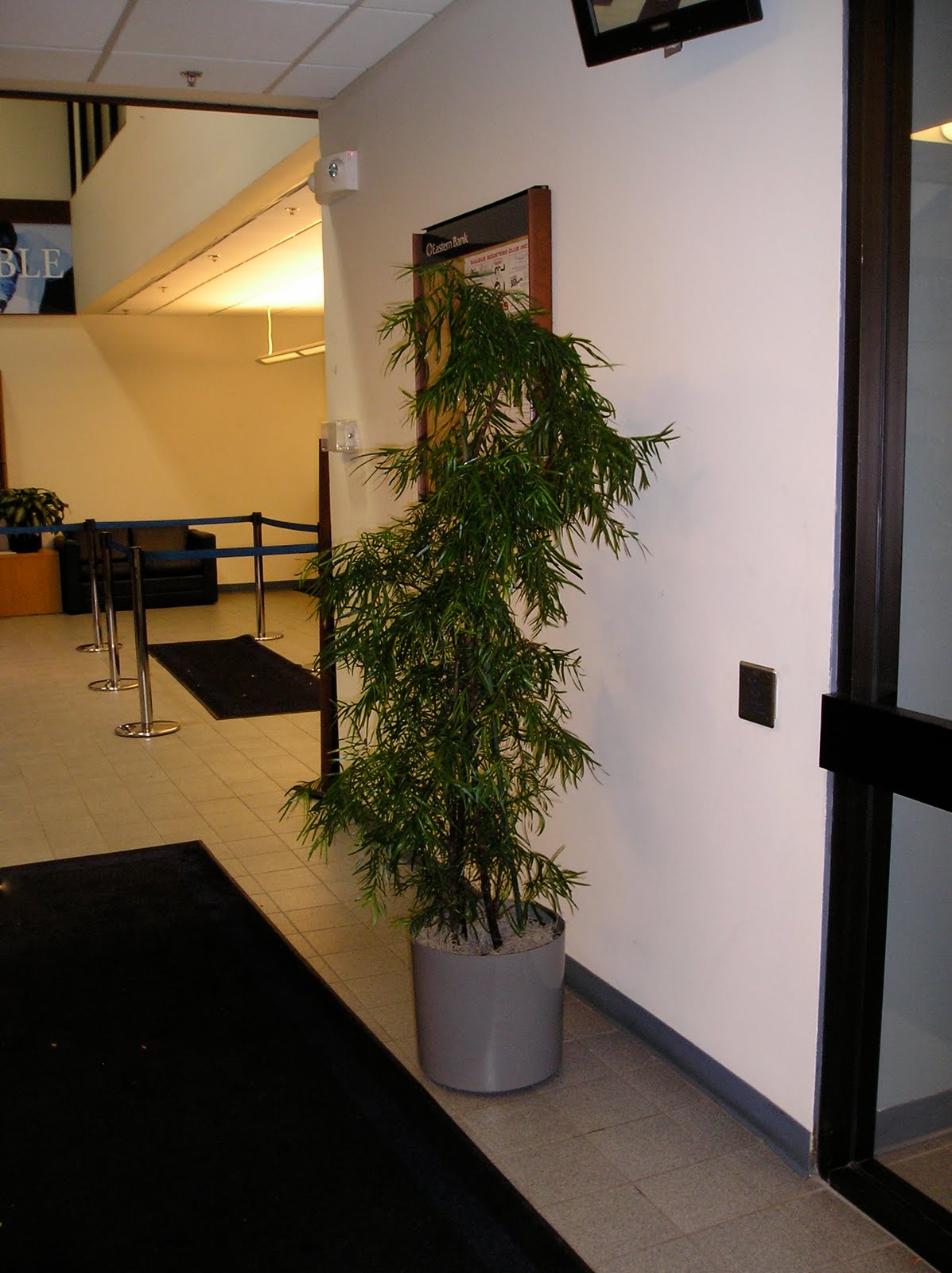
Why use Hawiian Michiko Canes and not Florida cane in your indoor office environments?


Dracaena michiko is one of the world’s most sought-after dracaena hybrids. This fabulous plant is importer from Hawaii and is commonly known as Michiko cane because of its cane-like structure caused by its upright growth habit. The leaves of this plant are held tighter to its trunks. This makes the plant a perfect plant to be put in narrow or tight areas or rooms with limited available space.

Compared to Dracaena Michiko plants grown in Florida, Dracaena Michiko Hawaii have greater life expectancy because of their well-developed root systems. The large size plus a full-grown look would surely mean lower expenses to be spent on pots or decorative containers. In addition, most Dracaena Michiko plants grown from Hawaii are tall and upright or columnar thereby making them excellent choices for places with limited space or area. These reasons and more explain why Hawaii-grown Dracaena Michiko plants are more expensive than those grown in Florida.

At Plantscape designs Inc. the Michiko canes are currently being used in our downtown Boston, Ma. officescapes.

Thursday, July 8, 2010

How can scale insects hurt your interior office plants?


Scale insects can hurt your interior office plants by sucking their life juices out of them.

Most scale insects are parasites of plants, feeding on sap drawn directly from the plant's vascular system. A few species feed on fungal mats and fungi, e.g., some species in the genus Newsteadia in the family Ortheziidae. Scale insects vary dramatically in their appearance from very small organisms (1–2 mm) that occur under wax covers (some look like oyster shells), to shiny pearl-like objects (about 5 mm), to creatures covered with mealy wax. Adult female scales are almost always immobile (aside from mealybugs) and permanently attached to the plant they have parasitized. They secrete a waxy coating for defense; this coating causes them to resemble reptilian scales or fish scales, hence the name.

Scale insects feed on a wide variety of plants, and many scale species are considered pests.

Plantscape Designs Inc. can eradicate these insect parasites by injecting a chemical systemic into your plants soil.

The way these chemicals work is as follows:

1.inject the systemic into your plant soil

2.water your plant

3. the water and liquid systemic will be absorbed by your indoor office plants through their root hairs and primary root systems

4.the water and systemic will be transpired up the xyleum vascular tissue of your green plants

5. once the upward flow of these lethal liquids assents the leaves and small upper portions of your plants' stems where the scale reside, these liquids are ingested by the scale insects poisoning them.

Plantscape Designs Inc has been using this systemic chemical solution when biological solutions are not feasible in our interior office plants in the Boston, MA area.

Tuesday, July 6, 2010

Tillandsia plant care by Rain Forest Flora Inc.


Watering Tillandsias Outdoors is generally easy. A basic rule of thumb is to water them every time you water your other plants. In any area where the humidity is 50% or less it is difficult to over water the plants unless it is very cold. Generally, the warmer and/or drier the air, the more frequently you will water. However, once Tillandsia leaves are wet, more water doesn't do a thing for them. Wet them and leave them. This makes watering quick and efficient.

For hot, humid climates watering the more xeric Tillys (those with whiter and/or fuzzier leaves) requires more attention. When it is hot and humid the plants don’t dry out as quickly as they would in lower humidity. Yet with high heat there is a higher metabolic rate (like a person running up a hill and breathing hard) but the plants can’t respire (breathe) if the leaf surfaces are wet. With high humidity the leaves don’t dry as quickly after becoming wet so in combination with high heat there is a greater potential for rot to set in. You will want to keep the plants from becoming wet too frequently when it is hot and humid.

Watering Indoors

Watering Tillandsias Indoors is a little more critical than outdoors because one generally cannot use a hose so the watering has to be more precise. The most common mistreatment of tillys indoors, unintentional though it may be, is to under water them. Misting the plants CAN be sufficient but it can also be OVER-sufficient or UNDER sufficient. The plants can look dry but actually remain moist in the crucial center area, in the meristematic tissue where new cells are produced. If this area remains too moist for too long the plant may rot. Likewise, one can mist the plants regularly but, in the end, it isn't enough to prevent a gradual dehydration that normally manifests itself with the edges of the leaves curling up and "pinching."

The most secure way to water the plants indoors is to submerge them for a twelve hour period in "good" water, that is, water that is low in dissolved solids and salts. Rain water and bottled drinking water are the best. When the plants are under water for this length of time they have enough water availability for a long enough period of time to completely rehydrate. A soaking in this manner should suffice for ten days to two weeks in average conditions. If a mounting item is too big to submerge, attaching a velcro dot to the plant and the mounting item allows the plant to be easily removed so that it can be rehydrated. Finally, if this just isn't practical or possible, mist the plants with "good" water and try to monitor the state of hydration as best you can. Once you have the right system down that works in your given situation, watering is a breeze.

One last note. If the plants are soaked, you can put water in a container that has a lid to prevent evaporation. This water can then be used over and over for your soakings. A small pinch of Epiphyte's Delight fertilizer in the water helps as well and it lasts indefinitely. Shake or jostle the container prior to putting the plants in, in order to remix the fertilizer evenly throughout the water. Also, as the water gets used, more can be added to keep the container full enough to submerge the plants completely.

Plantscape Designs Inc. uses these tillandsias in our terrarium and orchid gardens flowering programs in the Cambridge, Ma corporate plant designs.

Thursday, July 1, 2010

Plantscape Designs Inc does rent office plants for the Boston, MA area.


Plantscape Designs Inc. has been leasing and renting indoor office plants for over 35 years in the Boston, MA business community area.

1. Quick installation

2. No hassle service when our office plants are on your location

3.Numerous indoor office green plant varieties

4.low cost fees

5. you speak to a live customer service representative

Plantscape Designs Inc. can make your office plant rental a pleasant experience.
PDI servicing Boston, Ma for over 35 years

Wednesday, June 30, 2010

Why use bamboo fiber pots in your Boston cityscapes?


Bamboo is one of the most rapidly growing plants on earth. It is a grass, not a wood, making it a non timber, non-fossil fuel resource. And while hardwood forests can take 20-25 years to mature, bamboo forests mature 4-6 years after being harvested. This is why the U.S.Green Building Council has designated bamboo as a rapidly renewable material.

Engineering and testing of Solid Bamboo Planters has been underway for several years, and now we have a product we can sell you which is strong, durable and long lasting for your interior offices.

These planters are available in the Natural Bamboo finish in tapered square and tall tapered square shapes.

PDI hopes you will enjoy these beautiful and environmently-friendly planters in the Boston, MA metro areas.

How do you care for your interior orchid corporate arrangements?


When Your Orchid Is Flowering

Feed with 20-20-20 fertilizer at a rate of 1 gram per liter every other watering.

Do not let the soil dry out; evenly-moist is the ideal state.

Since conditions vary in each household or office, check guide, lift the plant daily and see if it is top heavy. The pot should feel heavy versus the rest of the plant. Water should not be dripping from the bottom, nor should it be sitting in an enclosed container holding water. The holes in the bottom of the pot are there for exactly that reason, good drainage.

If the plant seems to lose its’ luster, you can always mist it with the same rate of fertilizer (only the plant, not the flowers). The misting can be done several times a day as long as you make sure there is no run-off and no standing water on the leaves.

When All the Flowers Have Fallen Off Your Orchid

Cut the stem 5 centimeters above the leaves. Following the procedure described, you will give the plant the opportunity to have multiple spikes as the years go by.

The feeding in this period is stronger. Use the same fertilizer at the same strength but with every watering. If you lose roots (they turn dull and lose the green tip), turn to misting daily for two weeks.

Plantscape Designs Inc services interior orchid arrangements for our corporate clients in the Waltham, Ma area.

Monday, June 21, 2010

Why cut off the reproductive organs on your interior office bamboo palm?


You should always cut off the reproductive structures from your indoor office bamboos because they will grow better.

Most palms, such as bamboos, fan palms, kentia palms , majesty palms , neathe bella palms, etc. need to have their seed structures removed for a healthier appearance and for survival .

The energy that the seed or reproductive structures take from your indoor palm can inhibit or even stunt the growth of your interior tropical plant.

The nutrients and minerals of your fertilizers and even from the parent palm plant will be consumed in the building of new cells and tissues for the new seed structures, not the adult plant, thus depleting the parent palm plant of all of these life giving substances.

So please remove these stuctures as shown here in our photo.

At Plantscape Designs Inc. we always remove these seeds from all our palms for a more symetrical and even growth.

PDI services Boston, Ma and Cambridge, Ma corporate businesses.

Tuesday, June 15, 2010

Recession package from Plantscape Designs Inc.


The difficult economy can effect your employees on many different levels. One of the solutions Plantscape Designs In. can offer your company is relatively simple and inexpensive -- live, green plants. It has been scientifically proven that healthy, green plants in your office boosts employee morale and helps keep employees healthy by cleaning the air of carcinogens. Consider our recession package below and let Plantscape help you to help your employees.

Plan One :
1. 9 or fewer table/floor (5 table, 4 (3-4 ft. tall) floor) plants in our contemporary powdered steel-finish containers for $99 per month.

Plan Two:
2. 4 (5 - 6 ft. tall) plants/trees in our comtemporary powdered steel-finish containers for $99 per month.

Plan Three:
3. 5 plants (two table, three (3-4 ft tall) floor) plants and one orchid for the reception area in our comtemporary powdered steel-finish containers for $99 per month.

Monday, June 14, 2010

Symptoms of mineral deficiencies in your indoor green office plants.


  • Nitrogen - Lack of growth or limited growth with chlorosis (yellowing) or loss of leaves in severe cases. Purplish coloration due to accumulation of anthocyanin pigments. Entire plant affected, older leaves most.

  • Phosphorus - Dark green, stunted plants. Accumulation of anthocyanin pigments. Delayed maturity. Entire plant affected, older leaves most.

  • Potassium - Mottled chlorosis, necrosis (spots of dead tissue, especially at tips and margins, between veins). Older leaves most affected. Weak stalks, roots more susceptible to disease.

  • Sulfur - Chlorosis of young leaves, usually no necrosis. Veins remain green, tissue between light green.

  • Magnesium - Mottled or chlorotic leaves, may redden. Leaf tips turned upward. Older leaves most affected.

  • Calcium - Inhibition of root development and death of shoot and root tips. Young leaves most affected.

  • Iron - Intervienal chlorosis of young leaves, stems short and slender. Buds remain alive.

  • Chlorine - Wilted leaves, chlorosis, necrosis. Stunted, thickened roots or club-shaped roots near tips.

  • Manganese - Chlorosis of youg leaves, necrosis between veins; smallest veins remain green. Disorganization of lamellar membrane.

  • Boron - Death of stem and root apical meristems. Leaves twisted, pale at bases. Swollen, discolored root tips. Young tissues most affected.

  • Zinc - Reduction in leaf size and length of internodes. Distorted leaf margins. Chlorosis. Older leaves most affected.

  • Copper - Young leaves dark green, twisted, wilted, misshapen; tip remains alive.

  • Molybdenum - Chlorosis or twisting and death of young leaves.
PLantscape Designs Inc uses liquid green fertilizer for all our indoor plant design and installation accounts in the Burlington, MA interiorscapes.

Monday, June 7, 2010

PDI Botany news , smallest living orchid just discovered.


The smallest species of orchid in the world has been discovered hidden among the roots of a larger plant in a nature reserve in Ecuador.

Lou Jost, an American botanist, found the tiny orchid by accident when he was inspecting a plant collected from the Cerro Candelaria reserve in the eastern Andes, which was created by Ecuador's EcoMinga Foundation in partnership with the World Land Trust in Britain.

The plant is just 2.1mm wide, and instantly supercedes the species Platystele jungermannioides as the world's smallest orchid. The petals are so thin that they are just one cell thick and transparent.

The flower is just one of 60 new orchids and 10 other plant species that Dr Jost has discovered in the past decade. "I found it among the roots of another plant that I had collected, another small orchid which I took back to grow in my greenhouse to get it to flower," he said of his latest discovery. "A few months later I saw that down among the roots was a tiny little plant that I realised was more interesting than the bigger orchid.

"Looking at the flower is often the best way to be able to identify which species of orchid you've got hold of – and can tell you whether you're looking at an unknown species or not."

Dr Jost, who works for the EcoMinga Foundation, is one of the world's leading orchid hunters. "It's an exciting feeling to find a new species. People think everything has been discovered but there's much more," he said

A second tiny orchid collected in the Rio Anzu Reserve in central Ecuador is among his other discoveries. "It was so small, it looked like a piece of dirt at first. I was going through the moss on a fallen tree branch – they're good places for orchids to grow – when I spotted it. The flower was 3mm across," he said.

Dave Roberts, of Royal Botanical Gardens Kew, said of the area where the flower was found: "That region of the world is where the majority of very, very small orchids live."

More than 1,000 orchid species have been discovered in Ecuador in the past century, as plant collectors enjoy a bonanza made possible by the construction of roads which have allowed access to some of the most remote and unspoilt forest habitats in the world.

A group of 28 types of orchid which evolved in a mountainous area the size of London was perhaps the most exciting of Dr Jost's recent finds. They are part of the Teagueia genus, which had previously been thought to be restricted to just six species. The evolution of the 28 closely related orchids in such a small patch of land was described as a botanical version of Darwin's finches.

Plantscape Designs Inc. services the Boston, Ma corporate cityscape New England Plantscape community.

Wednesday, June 2, 2010

Why use tiny Tillandsias with your corporate office orchid arrangements?


We, at Plantscape Designs Inc., use tiny Tillandsias attached to our monthly corporate orchid programs for a more colorful and natural look.

Tillandsias are miniture air plants or bromeliads that flourish in the rainforests of Florida and the Amazon .

These small botanicals attach themselves to stems and branches of trees under the rainforest tree canopies.

All these Tillandsias nutrients and water come from the high humidity of the low cloud covered rainforest.PDI is currently appling tinyTillandsias of 14 diffent species in our monthly corporate orchid gardens inthe Waltham, Ma interiorscapes.

Sunday, May 30, 2010

Why PDI uses new interiorscape designs in our restaurant planters?


New interiorscape design ideas from our PDI design staff.

Instead of just using leafy tropical plants in our restaurant locations, our PDI staff has decided to simplify the look of these indoor planters.

We arrange such plants by using one or two species of plants in a single planter, and not the 5-6 varieties that most of our industry has placed together in the past.

Often, at PDI we plant single species plants in one planter box, repeating the leaf configurations as a single drift effect. This is an outdoor gardening technique used by gardeners of perennial gardens for more of a statement.

Lastly, as these indoor planters illustrate, less leafy tropical plants are used . Succulents, such as escheveria are applied.

Plantscape Designs Inc maintains indoor plants of the above types in the Woburn, Ma business communities.

Tuesday, May 18, 2010

Why use fiddle leaf ficus as one of your indoor office plants?


Why use fiddle leaf ficus trees in your office work place?

Fiddle leaf ficus trees add a different texture to your indoor office plant grouping.

You can use these mediun light loving plants in your windows or well lighted inteior officescapes.

Because fiddle leaf ficus are in the same family as ficus bejamina, ficus nitida and indian rubber trees, they can be interchanged with all of the above when designing your interiorscapes.

The added advantage of using fiddle leaf ficus is that their leaves do not fall with the changing seasons of autumn and spring.
PDIPLants currently services the Bio Pharma offices and labs in downtown, Cambridge,MA

Friday, May 14, 2010

How to redesign your corporate planter.

Plantscape Designs Inc, easy steps to a more beautiful contemporary planter.

Step one: Clear old plants out

Step two: Place black fiber mat down

Step three: Place plants according to design and light requirements

Step four: Place river rock in planter

Step five: place focal point plants to design

PDI currently services Lexington, Ma office buildings.
Using the above steps enables you to create unlimited plant design possiblities for your office work place.

Tuesday, May 11, 2010

Coffee grounds can help your indoor office plants.


Coffee grounds have long been used as fertilizer for plants. They can be added to existing or new garden beds. The grounds will run off and keep out ants, garden snails and slugs from your gardening beds.

How grounds benefit plants

Coffee grounds provide plants with many of essential nutrients including magnesium, calcium and nitrogen. Theses nutrients are very beneficial to plants and are often found in fertilizers. The grounds can add a significant amount of acidity to the soil. Blueberries, roses, and gardenias are a few plants known to love acidic soil. Using coffee grounds for other plants may prove to be harmful. Before adding the grounds to any plant research it and learn if acidic soil is preferred.

Other benefits included making the soil easier to till, which is good news if you're no longer a teenager with a strong back. Worms eat coffee grounds and are quite beneficial to have in your garden. The worms spread the nutrients as they travel through the dirt. This aerates the soil, which means more oxygen is provided to the roots. The more oxygen that reaches a plants root the better its health and growth.

How to use

There are different ways of putting the grounds to work in your garden. For example, they may be sprinkled around the base of existing plants. With this method the plant receives a small dose of nitrogen each time it is watered. Piles of coffee grounds can be harmful to the plant, depriving it of oxygen as the grounds clump together.

You may also use them by digging them into the ground around plants. Avoid going deeper than one inch, mixing the soil and coffee carefully than watering the plant.

If you are preparing new beds for planting, use the grounds by tilling them well into the soil. Before planting, water the soil thoroughly, so the nutrients are properly released into the soil.

Plantscape designs Inc. is currentlly using the coffee grounds in our clients office plants as a greenplant solution to the above problems presented to us in your office design locations.

Friday, May 7, 2010

How can Plantscape Designs Inc. add botanical value to your interior office plant design?


PDIPlants can add value to your interior plant office design by showing you our true worth which is determined by how much more we can give you in service and green plant design than we take in payment.

PDI 's compensation is determined by how well we serve you and your company.

Weekly service.

Rapid replacement of unhealthy plants

unlimited guarantee of the life of your office plants

responsive and sensitive staff

new and exciting botanicals and designs

open free style contract guarantee

Thursday, May 6, 2010

How can you use succulent foliage plants as office plant solutions


Succulent foliage has a different texture then your common softer tropical plant foliage.

Echeveria, like hens and chickens, are hardy semi-desert water-storing foliage plants.

Plantscape Designs Inc. is currently using succulents such as echeveria in our Boston cityscapes.

Echeveria needs to be placed in high light office interiors. These indoor office plants are terrific office plant solutions for hot interior officescape locations as well as for exterior landscaping on the outside entrances of your office work place.

What is a minimalistic look for your office plant interiors?


What is a new minimalistic office plant design for your office workplace?

Less plants , nicer plants, use plants with character, plants that are different.

The containers your office plants are in should be contemporary, sleek, colorful and make a statement about you and your company.

The number of plant/container units must be placed with purpose within your daily office floor design to enchance your office furniture and make a company statement about your caring of your employees as well as your future clients.

Office environments need make overs too!
PDI Plants service the interior landscapes of the Waltham, MA area.


Wednesday, May 5, 2010

Diffussion through small pores in your office plants leaves.


The movement of water vapor passing through your office plant leaves is called transpiration. This flow of water vapor goes threw the leafs' small pores, called stomates.

In most office plants the stomates are open during part of the day and close at night. In certain species, such as succulents that grow in the desert, the stomates are open at night when the air is cool, relative humidity is high, and transpiration is low. Therfore you should water them less.

Carbon dioxide is absorbed and converted into organic acids in a process requiring little energy and progressing efficiently in the dark. During the day the stomates are closed, reducing transpiration during the hot dry part of the 24- hour cycle.

Photosynthetic processes then convert the carbon dioxide fixed in organic acids into cardonhydrates and other products of photosynthesis. This food (sugar), your office plants make, becomes your plants nourishment.

This is why PDI carefully waters your office plants so they can chemically function properly to feed themselves and grow healthy.

Plantscape Designs Inc carefully waters your office plants in the Lexington,Ma and Bedford, Ma areas.

Why go vertical with your interior officescapes?


First, vertical is the "in" design look for modern contemporary offices today. Vertical takes up less office space in smaller workplaces.

Second, sleeker, trimmer linear design has a different eye appeal then past 80', 90's and early 2000's jungle look.

Third, architecturally the new narrow containers are more suitable for your newer constructed offices today, focusing on the shape and finishes of the planters as part of the office furniture design.

A nicer neater look with fewer more stately presented office plants. PDI uses this design in Waltham , MA cityscapes.

Monday, May 3, 2010

Weekly potted flowers are economical office plant solutions.


Various and colorful weekly potted flowers are both interesting and economical office plant solutions for your reception desks.

PDI plants currently has purple phaleonopsis orchids in many of our Boston cityscape offices.

Azaleas have also been delivered to many of our Cambridge interior office locations.

Callendevas, a cultivar of Kalancholes, are both colorful, compact and long lasting.

PDI services both the Cambridge, Ma and Waltham, Ma business communities.


Friday, April 30, 2010

How do your indoor office plants grow?


Our plantscapes of N.E. clients within the sourounding Boston, MA and Rte 128 area are incubators for green plant growth.

Growth is certainly one of the most striking phenomena observable in any plant ecosystem or just in your office plants alone!

Meristems is the cell division, enlargement-elongation, and specialization of green plant cells of your indoor office plants, that is also called growth. But how does this work? Why do your plant cells divide, enlarge-elongate, and differentiate?

Genetics and growth hormones are what make your interior office plants grow and stay healthy.

At PDI Plants that is our job to keep these complicated biochemical processes functioning correctly within your office plants.

Plantscape Designs Inc. uses "Bio Pots"For our monthly orchid programs.


Why does Plantscape Designs Inc. use "Bio Pots" with its monthly orchid programs?

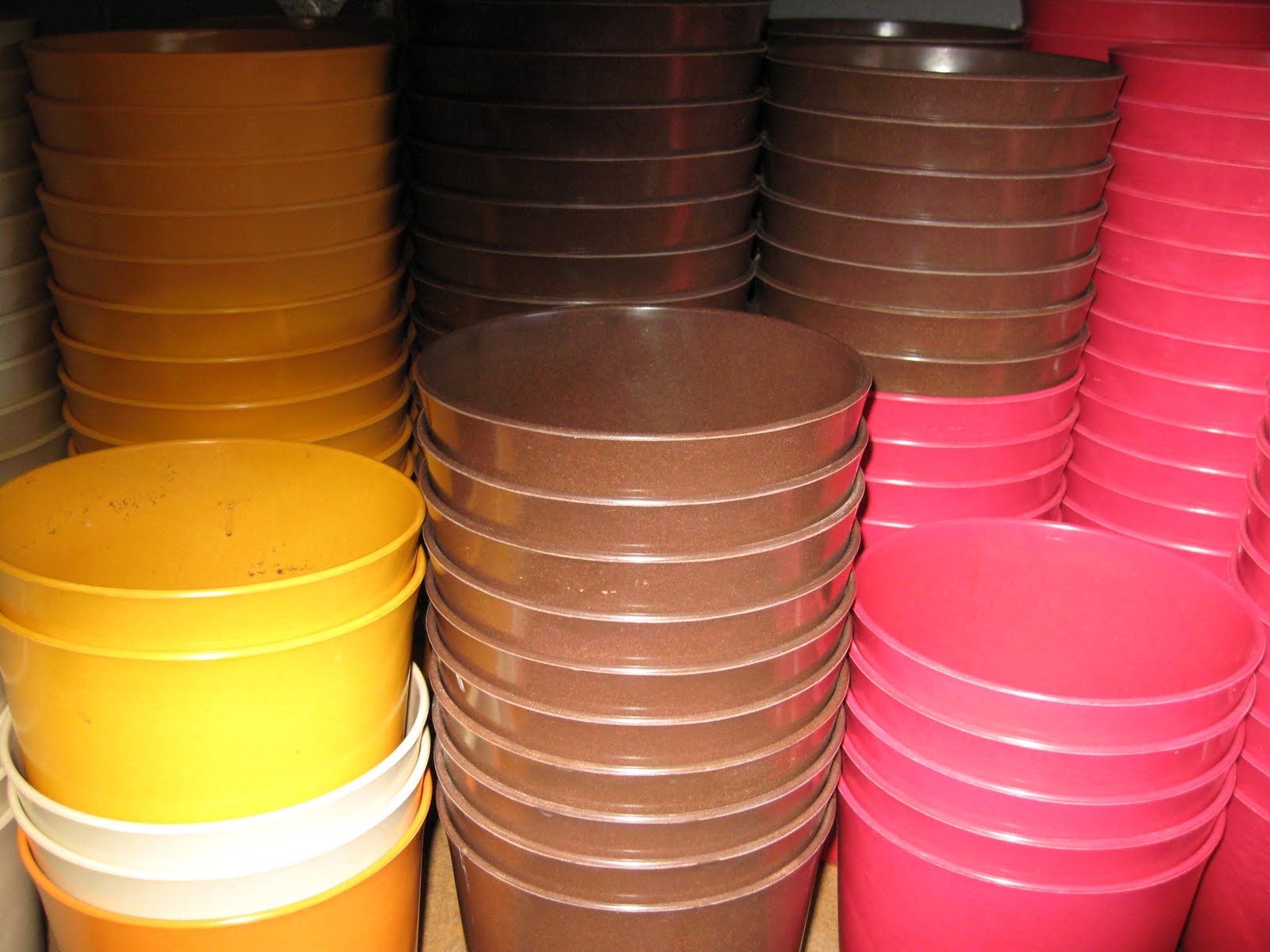
PDI uses "Bio Pots"with its monthly orchid programs because they look sleek, modern and are biodegradable.

"Bio Pots" are made with renewable bamboo fibers and are biodegradable . Once damaged or disposed of, they are easily decomposed , environmentally friendly.

These containers come in all colors of the rainbow useful in many of our Boston cityscapes.

Plantscape Designs Inc. uses these pots in all of our N.E. Plantscape locations.

Tuesday, April 27, 2010

Why use terra cotta or plastic grow pots in Woburn ,MA?


Why use terra cotta or plastic grow pots with your indoor office plants?

The difference between terra cotta and plastic grow pots for your indoor office green plants is the rate of evaporation of water from either of your terra cotta or plastic pots.

If your office plants are grown in terra cotta pots, your rate of evaporation will be much greater than if your potted green plants were potted in plastic. The reason is terra cotta pots are porous for water to evaporate threw, plastic pots are not.

Plastc pots tend to keep the water in the soil of the potted plants in longer, requiring you to water your office green plants less frequently.

Plantscape Designs Inc services the New England foliage of the 128RTE and Woburn, MA areas.

Friday, April 23, 2010

Why use Starbucks coffee grounds in your indoor office plants soil?


Many consumers are unaware of the fact that by-products from the kitchen make excellent additions to compost,” said Ginny Black, communications chairperson of the United States Composting Council. “Coffee grounds are rich in nutrients and beneficial for any backyard compost effort. The U.S. Composting council applauds Starbucks for their environmentally responsible donation and encourages consumers to take advantage of this generous opportunity.”

PDI plants is currently mixing used starbucks coffee grounds in our customers office plant soils.

By doing this coffee mixture, organic nutrients (alot of nitogen, magnesium potassium, some phosphorous , Calcium and Micronutrients) are added to the potted soils as well. Naturally normalizing the ph of the plant's soil.

At Plantscape Designs Inc. we are encouraging all interior landscapers and business office personnel to blend sparingly coffee grounds into their indoor office plant soils. Too much might chemically burn your indoor office plants.

To begin composting at home, Black recommends gardeners fill a wooden or plastic bin with a mixture of leaves and other yard trimmings and then mix in coffee grounds and kitchen scraps (no animal products). To help the pile decompose faster, it is important to make sure that the materials are moist (like a wrung-out sponge) but not soggy. Aerating the pile by mixing and turning also encourages the composting process. Compost is ready for the garden when it has fully decomposed into a dark rich soil-like material. A half-inch to an inch of compost on top of the soil feeds plants, prevents plant diseases, suppresses weeds and conserves water.

The proper amount of coffee grounds to be used depends on soil condition and what is being grown in a garden. Contact a local gardening expert to learn what is best for your region. Or call us at PDI for indoor office plant soil testing.

Plantscape Designs Inc. service the Boston, Ma and 128 RTE, Ma. business communities.


Thursday, April 22, 2010

Gas exchange between your indoor plant's leafs and your office environment.


The leaf , exposed to the open air, exchanges not only gases with this air but also heat by molecular collisions on its surface.

The carbon dioxide taken up in photosynthesis and released by respiration, the oxygen moving in a opposite direction out of the leaves; water vapor, volatile organic and other materials moving in and out and energy being exchanged in various forms is what is going on inside your office tropical plants.

These gases such as water vapor, oxygen and fragrances are emitted into your offices as a health benefit to you and your staff. PDI currently services Cambridge, MA officescapes.

Wednesday, April 21, 2010

Why go vertical with your indoor office plants and containers?


Why go vertical with your indoor office plants and containers?

First, vertical is the "in" design look for modern contemporary offices today. Vertical takes up less office space in smaller workplaces.

Second, sleeker, trimmer linear design has a different eye appeal then past 80', 90's and early 2000's jungle look.

Third, architecturally the new narrow containers are more suitable for your newer constructed offices today, focusing on the shape and finishes of the planters as part of the office furniture design.

A nicer neater look with fewer more stately presented office plants. PDI uses this design in Waltham , MA cityscapes.

Spring is here!


Spring is here! Your N.E. interior officescapes can now have spring flowers early right through the winter. PDI interior landscapers in the Boston area have dozens of species and colors of those flowering plants for your reception desk now. Delivery is always included as well as a designer container framing your bright and festive live flowering accents . Call us for your weekly, bi-monthly or monthly flowering programs needed in your receptions and conference room. Add some color add some life! Yes we do office plant care service in the Boston MA area.

Sunday, April 18, 2010

What is the difference between Hardi cacti and tropical cacti?


Are your indoor office plants hardi cacti or tropical cacti?

There is a big difference between the two if you want to water them correctly.

Hardi cacti like the opuntia species humifusa (-45 degrees F) is native to the eastern United States; its pads ( upper photo) are bright green and its flowers are vivid yellow.

Similarly widespread but found in the West is Opuntia polyacantha ( plains prickly pear, hardy to - 25 F) . Opuntia fragilis ( to -35 F) grows throughout Canada and the West into Mexico.

You must water their sandy soil lightly.

Tropical cacti ( lower photo) are native to the rain forest regions. These prefer high humidity, warmth and rich soil. Most are epiphytes ( air plants that use trees for support but do not derive nourishment from them). You must water these foliage office plants more frequently.

Epiphyllums ( orchid cacti) produce impressive flowers in late spring.

Flowers of popular Schlumbergera truncata, from Brazil, appear in mid winter, hence the common name Christmas ( or holiday) cactus.

PDI uses both these species of cacti in our interior and exterior green foliage designs in the Andover, MA office buildings.

Friday, April 16, 2010

Why use Crassulas in your N.E.plantscapes Andover, MA?


What are Crassulas? Crassulas are succulents. There are numerous species and cultivars of Crassulas. The two main forms are jadelike and stacked. Crassulas are semi arid plants , not cacti but close to it.

The plant to left is a representive of stacked species and he plant to the right a cultivar of the jadelike type.

Crassulas ,like jade plants love the sun and high light south exposure office windows.

The texture of these indoor plants is thick and hard unlike your typical tropical indoor office plants.

Jades have thick stems and form mounding, branching shrubs that can be pruned into small trees and used for bonsai.

Flowers appear midwinter through spring, borne in clusters that may be massed so profusely the plant appears blanketed with snow. The common jade ( Crassula ovata) has thumbsized, oval green leaves edged in red. Siver dollar jade (Crassula arborescens) has red edged silvery gray leaves .

PDI currently uses these foliage indoor plants at our Andover, Ma locations.

Wednesday, April 14, 2010

Why use river rocks in your interior landscape designs?


Why use river rocks in your interior landscape designs, because river rocks give your indoor office plants a more contemporary finished look. Gray dried spanish moss or wood chips gives your office foliage a natural softer look design .

River rocks are certainly more expensive for your Boston cityscape office designs, however, in the long run it is less expensive to use because there is no need to constantly replace these once live plant dressings of spanish moss or wood chips that need to be replace over a period of time. PDI is currently using river rock dressings in Waltham, MA Lexington, Ma and Woburn, Ma.


Tuesday, April 13, 2010

why use orthigalums in your interior office work place?


What are orthigalums (star of bethlehems)?

The chincherinchee is also known as Ornithogalum. The Greeks used the term "bird's milk" ornithos (bird) and gala (milk) to describe something incredible, hence one of their common names is “Wonder Flower” or "Star of Bethlehem". The South Africans know them as "tjenkenrientjee" which is where the odd English name chincherinchee comes from. Sometimes are called a "florist's nightmare" because they have such a long vase life. They can easily last a whole month, and it will be a while before anyone has a need to return to the florist.Their flowers, bell and star-shaped, are showy and sometimes very fragrant . They bloom individually in circles carried at the top of leafless stems, and usually white but also yellow and orange.The best known is Ornithogalum thyrsoides. Ornithogalum umbellatum has larger star-shaped white flowers and narrow leaves. This variety's most eye-catching feature is the beautiful green stripe on each flower.

Ornithogalum thyrsoides is native to South Africa and the Ornithogalum umbellatum is native to the Mediterranean, and all varieties are available all year round. They belong to the Liliaceae (lily) family and grow from bulbs. PDI uses these flowers in our weekly flower programs in our N.E plantscapes.

Saturday, April 3, 2010

Speaking of Light and your indoor office plants.


As the days grow longer and your interior office plants produce new growth, they can become unruly and miss shaped. This is the perfect time for Plantscape Designs of N.E. to prune and shape your plants. In the spring giving them a heavy pruning, they have a summer of long days to recover and push out lots of new foliage. This will make your plants more shapely and beautiful. Many of our clients' ficus trees are perfect candidates for such pruning and shaping in the Cambridge - Boston areas. This is just another green plant solution by PDIPlants Boston.

Thursday, April 1, 2010

It's Not Always About Flowers With Interior Office Plant Design


When we think of adding a colorful accent to our indoor office plants we often think about cut flowers or a flowering potted plant. Actually there is another option. Tropical foliage plants that have beautiful colored leaves. If your office has the right conditions, bright light and warm temperature, there is an unlimited selection of plants that have colorful foliage and variegated leaves. Crotons, Cordyline, Rex begonias, Stromanthe are just a few that can brighten your office with some color. We use many of these on locations in the Boston metro area. Colored leafy botanicals have unlimited plant possiblities.

Wednesday, March 24, 2010

Now Let's Talk About What New England Interior Landscapers Can Do Outside


Spring is getting closer and no doubt our attention starts to look to the outdoors. We can brighten your entrance with beautiful seasonal arrangements. Whether it's a pot of pansies and pussy willows in the spring or a summer splash of color of coleus, celosia and sweet potato vine these arrangements greet your corporate guests with style. Fall pots of kale, cabbage, asters and mums blend well when the fall foliage is at its peek, then the unlimited combinations of evergreens, berries and branches soften even the hardest winter landscape. Our Waltham officescapes have used the above-pictured designs.

PDI Plants recycling programs.


PDI Plants reuses plants where possible in the Waltham, MA cityscapes.

We donate our tired plants from our clients interior offices to local nursing homes on the RTE 128 area. These not so perfect plants that PDI takes out of our office locations are cared for by the nursing home residents and made whole once again for their personal enjoyment.

PDI's unconditional free replacement guarentee policy is attached to all our clients green plant service contracts in the Burligton MA. area.

Many of our older colored container finishes have been resprayed or refinished to a powdered steel. Currently this is a more popular finish for our office plant customers as well as a lower cost to their budgets.

Monday, March 22, 2010

Where can I use this plant in my office work place?


Just in! Four foot to five foot mass appeals with and with out character lines. Great for those narrow spaces within your office work place wether it be downtown Boston MA or Burlington and Bedford MA office locations. These new botanicals are designed for low light areas in and around your office interiorscape. Originally, straight tri-cane massangeannas, the mass appeals are the same plant species with added character bends to their stems. Hence, making these green plants more interesting within your office greenscape. This photo illustrates a mix of the original and the newer character bend plant, creating unlimited green plant design possibilities in your office.

Wednesday, March 17, 2010

Why Are Your Office Green Plants Turning Yellow, Dropping Leaves or Have Browning Tips?


Although such symptoms like the ones above may be serious and easily detected, hundreds of things can go wrong. The root systems of your office plants, infectious diseases or inadequate plant care from your current provider may be the cause of your "sad" looking plants. For example the photo illustrares an insect trip infection . PDIPlants.com can help. Just log on. We can help. Boston, MA is where we care for your office plants.

Tuesday, March 16, 2010

Why have interior landscapers water your indoor office plants?


The reason for having interior landscapers water your office plants is because most office personal do not have the time to do it.
Office plants need to be watered properly because they are so costly if they decay and die.
If your interior office plants are not watered correctly, they can become unsightly.
Root structures such as fine delicate root hairs can become soft, non functional and even decompose.
Without the correct watering procedure the roots can not function properly.
Water, nutrients and minerals will not be absorbed from the soil into the plant. Transpiration up and through the root hairs, roots stem and then finally through and out of the leaves , will not occur.
The result is wilting then death of your indoor plants.

Friday, March 12, 2010

How Can You Eliminate Your "New Office" Odor?


Okay, it looks great! New rugs, new paint, new furniture and cubicles, but it smells of chemicals. A great way to help eliminate that smell in your office space is to put in some foliage plants. It has been proven by NASA that foliage plants have the ability to filter carcinogens out of the air. All those new surfaces named above have toxic compounds. Chemicals like benzene, formaldehyde, xylene, ammonia, trichloroethylene and other harmful molecules. Add office plants so you have a cleaner place to breath and a more ambient atmosphere to work in, a win, win situation. N.E. plantscapers should all be using more spathophiliums, philodendrons and warnakii plants in their green plant office designs.

Friday, March 5, 2010

Need inexpensive interior landscaping botanicals?


Many office plant interiors need inexpensive interior landscaping because of todays restricted budgets. Plantscape Designs Inc. can solve this problem with a minimalist design solution using cacti, succulents, aloes and flowering kalanchoes in your planters. Using rocks of varing sizes helps give this design solution a cleaner simpler look and feel. By using the above botanicals, less labor and maintenance is required therefore lower monthly fees charged. Please remember desert like botanicals such as listed above require high light sun exposure. PDI Plants currently services a cactus garden in Andover, MA.

acura Installation by PDI Plants

The interior green plant care and installation of The Acura Showroom by Plantscape Designs Inc. has softened and enhanced the architectural beauty of that building. Customers are attracted and drawn in to the products as well as the environment

Wednesday, March 3, 2010

Why have flowering programs in your interior offices?


Our boston cityscapes clients are accented with either monthly or bi-weekly flowering programs.

PDI plants are strategically located through out many down town offices with our tropical green plants.

The flowering programs give both unlimited color and variety to our clients reception areas.

Low cost living potted plants last longer then cut flowers.


Thursday, February 25, 2010

It All Starts With a Balanced Environment, Boston Area


Your plants need a holostic approach to plant health care. Your green plants should be one with your office workplace. The basic environmental elements that promote plant health care are simple: soil, a proper balance of nutrients, balanced soil acidity, enough root and crown space, ample water, optimum temperature and light, pure air, and freedom from pests and diseases. When just one of these above elements are out of the healthful range stress develops for your office plants, resulting in unsightly greenery, that is when you log on to our website www.pdiplants.com. We can help solve your green plant problems. PDI services the Waltham, Burlington, Lexington, Woburn, MA areas.

Monday, February 15, 2010

How can my interior plant care service improve?


Your plant care service can improve the appearance of your office plants by doing the following :

- weekly service by your plant technician is crucial, not bimonthly or once a month visits

-the use of higher quality shade adapted office plants grown under screens and not under open farms

-better paid and educated staff

-rapid customer response to customers concerns

These are just some of what PDI does for its clients.

Wednesday, February 10, 2010

Why interior landscape a fitness center?


Plantscape Designs Inc. has just been awarded a green plant service contract for a Woburn Rte 128 fitness center. Why, because tropical plants help clean the air in their facility, lowering the Co2 levels increasing the 02 levels within the fitness center. Green plants soften the hard glass and metal design of the fitness equipment and workout rooms. Finally, PDI green plants help soften the noise levels of the working machines the clients are using.

Tuesday, February 2, 2010

Why Should Office Work Places Use Mass Appeals in Their Interior Design?


For the last 40 years the vertical straight up Tri Dracena Marginatas have dominated the office work places of Downtown Boston, Cambridge, Waltham and the Route 128 business communities. No more. This new arrival has differing growth lines and character that the older cultivar does not. Shapely and more fluid lines accompany this new plant species giving it unlimited office plant options to enhance your office space and reception area.

Friday, January 29, 2010

Why Use Potted Flowering Plants and Not Cut Flowers?


These colorful assorted 6" violets will brighten up any office reception area. Lasting weeks, the African violet retains its value and is within every CEO's budget. Potted flowering violets can last up to 4 weeks versus 3 to 4 days for cut flowers. Violets can give your office work place unlimited plant color possibilities.

Diversity in the Workplace?


Well, I'm not talking the "PC" kind, but the diverse plant genus, Ficus. This genus of plant has an almost unlimited range of sizes, forms and textures which make it an excellent choice for the office. From the ubiquitous Ficus benjamina (pictured here), in the standard tree form, to the bold leaves of the Ficus lyrata (fiddle leaf fig) down to the tiny leaved Ficus pumila, there is a member of this family to suit every office environment. Ficus, in general, are native to India and parts of Asia. They exude a white milky substance, or latex, when cut. Ficus elastica, also commonly known as the rubber plant, was the basis for rubber products but has been replaced with a species of another plant genus, Hevea.